- 100% Natural
- Premium Quality
- No Preservatives
- Fresh & Healthy
Discover cacao nibs in Pakistan: what raw cacao nibs taste like, how to use them in desserts, smoothie bowls and baking, plus buying and storage tips.
cacao nibs in Pakistan: Cacao nibs in Pakistan are gaining attention among home bakers and chocolate lovers who want a less sweet, crunchy ingredient. Cacao nibs are pieces of processed cacao beans with an intense cocoa taste, but they are not the same as ready-to-eat sweet chocolate chips. Knowing their flavor and best uses helps you decide whether they belong in your kitchen.
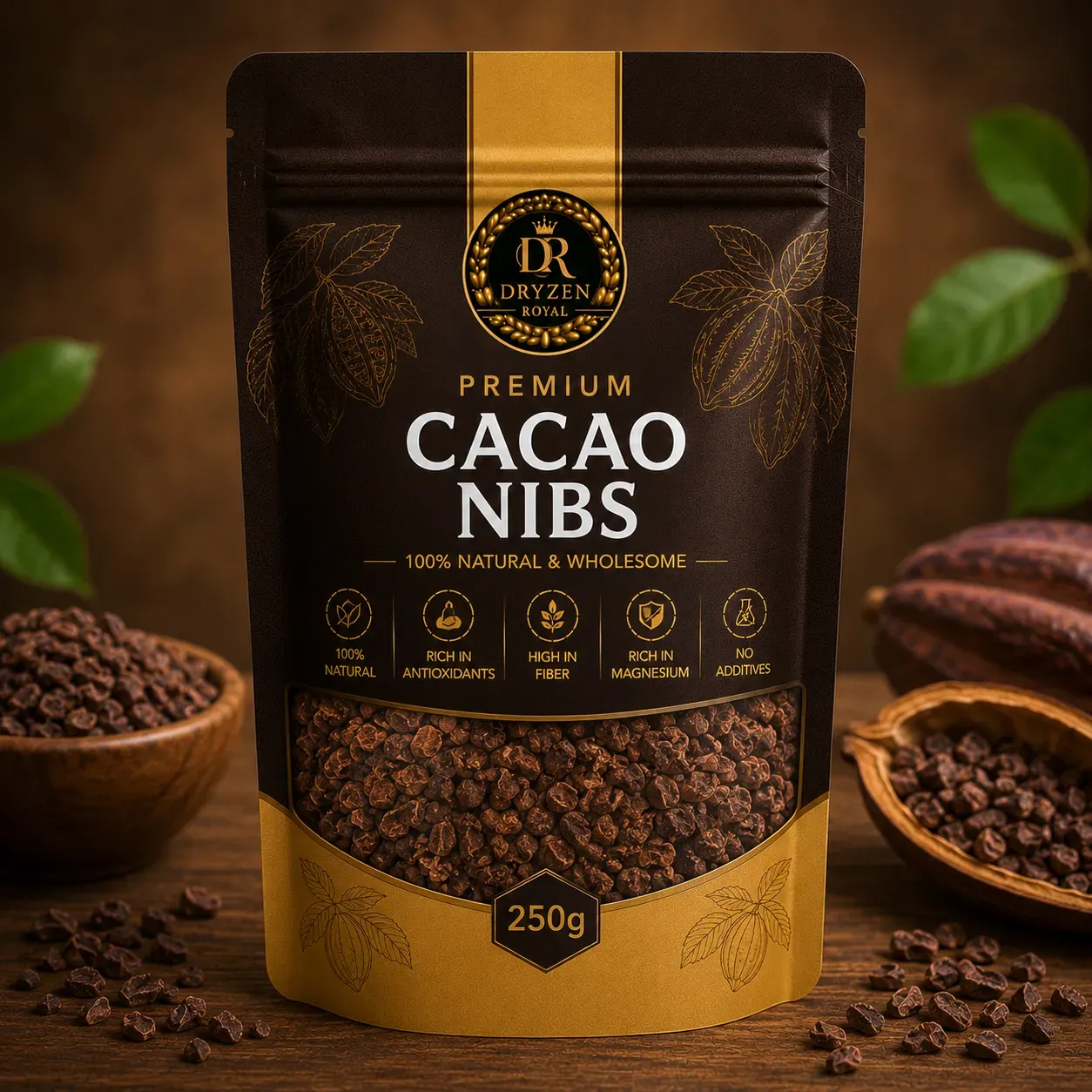
Cacao nibs are fragments of cacao beans after the outer shell has been removed. The beans are typically fermented and dried, and may also be roasted before being broken into nibs. Some products are marketed as raw, though the precise meaning and processing temperatures vary by producer. They are not identical to cocoa powder, cocoa butter or sweetened chocolate chips. Nibs have an uneven, small, crunchy appearance and a complex flavor that can seem bitter, nutty, acidic or fruity depending on origin and processing.
If you expect the sweetness of milk chocolate, your first bite may surprise you. Most cacao nibs contain no added sugar unless the product is coated or blended with sweeteners. Their bitter cocoa notes work well next to naturally sweet foods such as banana, dates and raisins. For example, nibs over banana yogurt bring a chocolate-like aroma without making the entire bowl taste like a chocolate bar. Start with a small sprinkle so the flavor does not overpower your recipe.
Cocoa powder is finely ground and generally contributes cocoa flavor without crunchy pieces. Chocolate chips are manufactured confectionery products that usually contain sugar and added cocoa butter or other ingredients. Nibs remain little pieces of cacao bean and add texture. In cookies, nibs stay crunchy and taste darker and less sweet than chips. In smoothies, whole nibs can remain gritty unless blended thoroughly. Choose the ingredient based on the result you want, not because one has a fashionable label.
First, add a small spoonful to oats with sliced banana. Second, mix nibs into homemade granola alongside almonds and pumpkin seeds. Third, scatter them over a smoothie bowl shortly before eating. Fourth, fold a modest amount into cookie or muffin batter for a bittersweet crunch. Fifth, add them to a chopped-date and nut mixture to balance the sweetness. Sixth, use them sparingly over ice cream or a chilled dessert for texture. Their intense flavor means a little often goes a long way.
Traditional recipes can accommodate cacao nibs when used thoughtfully. In a homemade date ball, nibs balance sticky sweetness. A small amount of nibs over cold kheer creates a modern cocoa accent, although they are not a traditional ingredient. Try a small test batch before preparing a full tray for guests. For a homemade chocolate-inspired treat, combine nibs with melted chocolate rather than expecting nibs alone to melt like a chocolate bar. They are solid cocoa-bean particles, not a substitute for formulated chocolate.
Cacao products contain plant fats and naturally occurring compounds such as theobromine; caffeine content varies. Nibs also provide some fiber and minerals, but they are calorie-dense and are not a medicine. People sensitive to caffeine or stimulants may want smaller portions, particularly in the evening. Product processing, origin and serving size matter, so rely on the actual nutrition label and reliable food databases rather than generic claims that all nibs contain identical nutrients. Consult FoodData Central when comparing food compositions.
Read the ingredients first. A pure cacao nib product should identify cacao as the ingredient; sweetened nibs or coated products are different foods. Check the pack seal, net weight, storage instructions and any origin or processing information offered by the seller. The pieces should have a natural cocoa aroma without obvious mustiness. Uniform sizing can be useful for baking, although some variation is normal. Compare product price by weight and do not assume that “raw,” “premium” or “superfood” labels alone prove superior quality.
Keep cacao nibs in a clean, dry, airtight container away from warm cooking areas and sunlight. In hot and humid weather, a stable cool environment helps protect texture and aroma. Keep them away from strongly scented foods, because cacao can absorb nearby odors. If you refrigerate them, protect them carefully from condensation. Follow pack directions and discard any product with mold, pests or distinctly off odors. Use a dry spoon when serving.
For breakfast toppings and homemade snacks, cacao nibs pair with almonds, pumpkin seeds and dates. Explore the Dryzen Royal Raw Cacao Nibs listing for current product information and availability. Recipes using cacao nibs are easiest when the sweetness comes from an ingredient you control, rather than an assumption that cacao must taste sweet.
Chop two or three dates into small pieces, add a spoonful of plain yogurt and sprinkle on chopped almonds plus a little cacao nib. Adjust quantities according to taste and dietary needs. For a dairy-free version, use a suitable alternative or simply combine the dry ingredients into a trail mix. If serving to children, ensure the textures and pieces are age appropriate and keep nut allergies in mind. For more ideas read dry fruit breakfast ideas.
No. Pure cacao nibs are usually bitter and crunchy because they do not contain the added sugar found in typical chocolate chips.
Not in the same way as formulated chocolate chips or bars. They are solid fragments of cacao bean and are mainly used for flavor and texture.
Cacao can contain naturally occurring caffeine and theobromine; actual amounts depend on product and processing.
Use a small amount alongside naturally sweet foods such as bananas or dates, or combine with a sweetened recipe.
Fasih Frankly
SEO Expert and eCommerce Specialist. Shopify, eBay and online selling.
Questions about this article?
Email us and we will get back to you.
Explore more
